Sober Curious: What It Means and How to Start in 2026
Maybe you woke up after a perfectly ordinary Saturday feeling foggier than the evening deserved. Maybe you noticed that a glass of wine had quietly become the only way you switch off after work. Being sober curious starts with exactly that kind of noticing: a willingness to ask what alcohol is actually doing for you, and what your life might feel like with less of it, or none at all.
You do not need a crisis, a label or a dramatic vow to be sober curious. It is an experiment, not a verdict. This guide explains what the term means, why so many adults are exploring it, how it differs from recovery, and how to run your own gentle 30-day trial with good drinks, honest reflection and a social life that still feels like yours.
Quick answer: Being sober curious means questioning your relationship with alcohol and choosing to drink less or not at all, out of curiosity rather than crisis. Most people start with a time-limited break (often 30 days), swap in alcohol-free drinks, and track how sleep, mood and energy change. If you drink heavily or every day, speak to a doctor first, because stopping suddenly can be dangerous.
What does sober curious mean?
The phrase was popularised by writer Ruby Warrington in her 2018 book Sober Curious. At its heart it describes a mindset: instead of drinking on autopilot because it is Friday, because everyone else is, or because it is “what adults do”, you get curious about each drink. Do I actually want this? What do I expect it to give me? Does it deliver?
For some people that curiosity leads to a few alcohol-free weeks. For others it settles into drinking only on occasions they genuinely enjoy. Some discover they feel so much better that they stop drinking altogether. All of these are valid outcomes. The point is that the choice becomes conscious.
Public health bodies have been nudging in the same direction. A 2024 NIAAA Spectrum article notes that the sober curious movement may prompt some people to take a closer look at their drinking and its effects on their health. The World Health Organization’s European office has stated that when it comes to alcohol, there is no level of consumption that is safe for health, and the CDC’s guidance on moderate drinking makes a similar practical point: drinking less is better for health than drinking more.
Why people are exploring a sober curious life
People rarely become sober curious for one single reason. More often a handful of small observations add up. The most common motivations we hear about include:
- Sleep. Alcohol can make you drowsy, but it tends to fragment sleep later in the night. Many people notice they wake more rested when they skip the evening drink.
- Mood and anxiety. The “hangxiety” of the morning after, low mood mid-week, or relying on a drink to take the edge off stress.
- Physical health. Alcohol is linked to raised blood pressure, liver problems and several cancers. Cutting back reduces those risks.
- Money and time. Drinks are expensive, and lost mornings are expensive in a different way.
- Presence. Remembering conversations, being fully there for children or partners, showing up to Sunday plans.
- Simple curiosity. Wanting to know who you are at a party without a drink in your hand.
Culture has shifted too. Alcohol-free beer, wine and spirits have become far more common in supermarkets and bars, and many younger adults treat drinking as optional rather than default. Being the person who orders a soda and lime is much less remarkable than it was a decade ago.
Sober curious vs. sobriety and recovery
Sober curiosity and recovery from alcohol use disorder (AUD) overlap, but they are not the same thing, and it helps to be honest about which one you need.
| Sober curious | Recovery from AUD | |
|---|---|---|
| Starting point | Curiosity, wellbeing, lifestyle | Drinking that causes harm or feels out of control |
| Goal | Drink less, take breaks, or stop by choice | Usually sustained abstinence with support |
| Support | Self-guided, friends, online communities | Doctors, therapy, medication, mutual-help groups |
| Stopping safely | Generally low risk for light drinkers | May need medically supervised withdrawal |
There is no shame in either path, and many people move between them. If you try a sober curious month and find it far harder than expected, that is useful information, not failure. NIAAA’s free Rethinking Drinking site has self-checks that can help you see where your drinking sits, and our guide on how to stop drinking alcohol safely, step by step covers the next level of support.
Safety first: who should talk to a doctor
Important: If you drink heavily, drink every day, or have ever had shaking, sweating, racing heart, confusion or seizures when you stopped, do not quit suddenly on your own. Alcohol withdrawal can be dangerous and, in severe cases, life-threatening. Talk to a doctor first, who can help you stop safely. See our medical disclaimer.
You should also check with a clinician before changing your drinking if you are pregnant, take medication that interacts with alcohol, or have a condition such as liver disease, diabetes or depression. For most light or social drinkers, taking a break is low risk and often noticeably pleasant, but your own health history matters more than any general article.
A 30-day sober curious starter plan
A month is long enough to get past the first couple of awkward weekends and notice real changes, and short enough to feel doable. Treat it as an experiment with notes, not a test you can fail.
Week 1: Get clear and set up
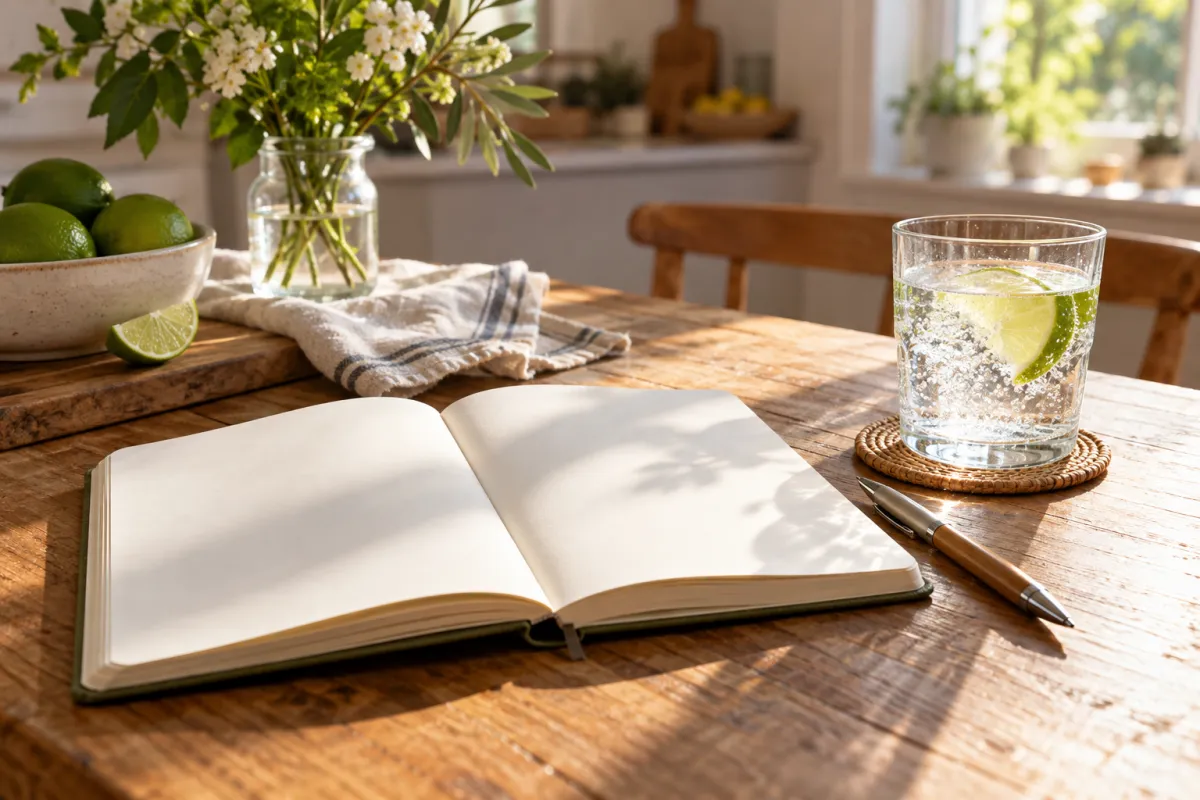
- Write down your “why” in one or two sentences. Keep it somewhere you will see it.
- Note your current baseline: roughly how many drinks a week, typical days, and how you sleep. NHS guidance on calculating alcohol units makes it easier to be accurate.
- Stock the fridge with two or three alcohol-free drinks you actually like the look of.
- Pick a start date that is not the night of a wedding.
Week 2: Find your triggers
Notice the moments you would normally reach for a drink: walking in the door after work, cooking dinner, the first hour of a party, a hard phone call. Write them down. You are not trying to fight them yet, just to see them. If evening urges feel strong, our guide to managing alcohol cravings when they hit has practical tools you can try in the moment.
Week 3: Build replacements
For each trigger, choose a replacement ritual: a specific drink, a walk, a shower, a call, a podcast. Rituals matter because a lot of what we enjoy about drinking is the pause it marks, not the ethanol.
Week 4: Reflect and decide
Compare your notes with week one. How is your sleep? Your mornings? Your mood on Mondays? Your spending? Then decide what you want next: extend the break, set personal limits, or carry on alcohol-free. If you decide that moderation is your goal, our guide to practical ways to drink less alcohol will help you set limits that stick.
Want a calmer way to track your experiment? We are building the ZeroDrunk app to help sober curious people log drink-free days, spot patterns and stay kind to themselves along the way. It is not available yet. Join the waitlist to hear when it opens.
What to drink instead
One of the biggest surprises for people exploring a sober curious lifestyle is how much better the alternatives have become. You no longer have to choose between sugary juice and tap water.
- Non-alcoholic beer. Often the easiest switch, with lagers, IPAs and stouts widely available. Many are labelled 0.5% ABV or less, so check labels if you need zero.
- Alcohol-free wine. Sparkling versions tend to be the most convincing; still reds are improving.
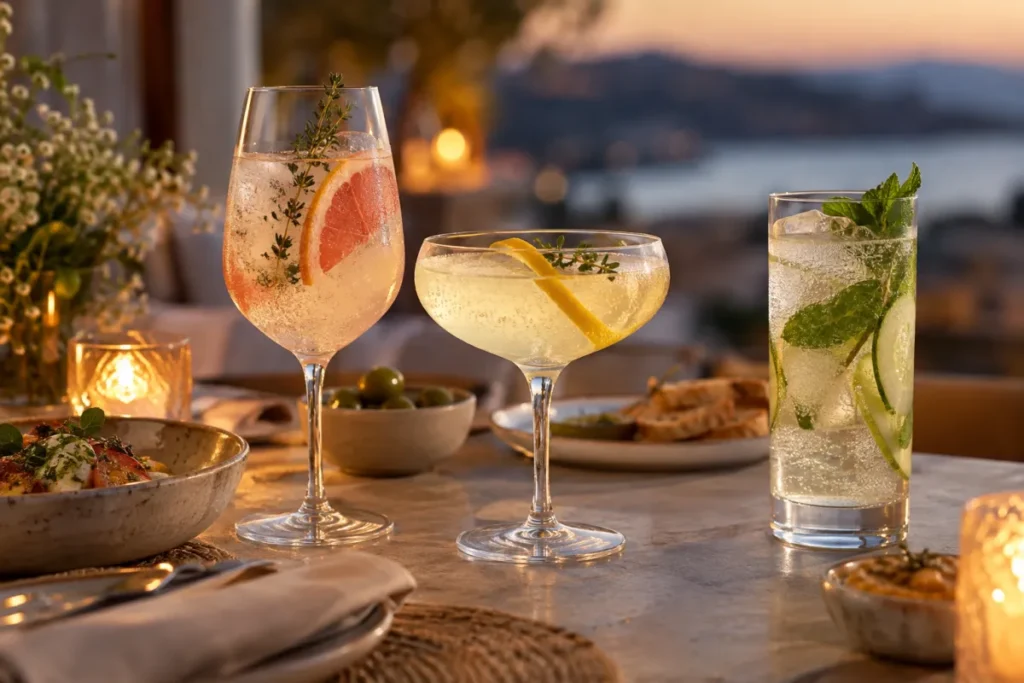
- Non-alcoholic spirits. Botanical “gin” alternatives, aperitif-style bitters and spiced options designed for mixing.
- Mocktails. Shrubs, citrus, herbs, bitters (note that most bitters contain alcohol in tiny amounts) and good tonic.
- Functional and fermented drinks. Kombucha, sparkling teas and so-called adaptogenic drinks. Kombucha can contain trace alcohol, and claims about functional ingredients are often stronger than the evidence.
- Simple classics. Soda water with fresh citrus, ginger beer, iced tea, or a really good coffee.
A practical tip: serve your alcohol-free drink in the glass you would normally use. The ritual of a chilled glass, ice and garnish does much of the work.
Keeping your social life
For many people the hardest part of being sober curious is not the drink itself, it is other people’s reactions. A few approaches that tend to help:
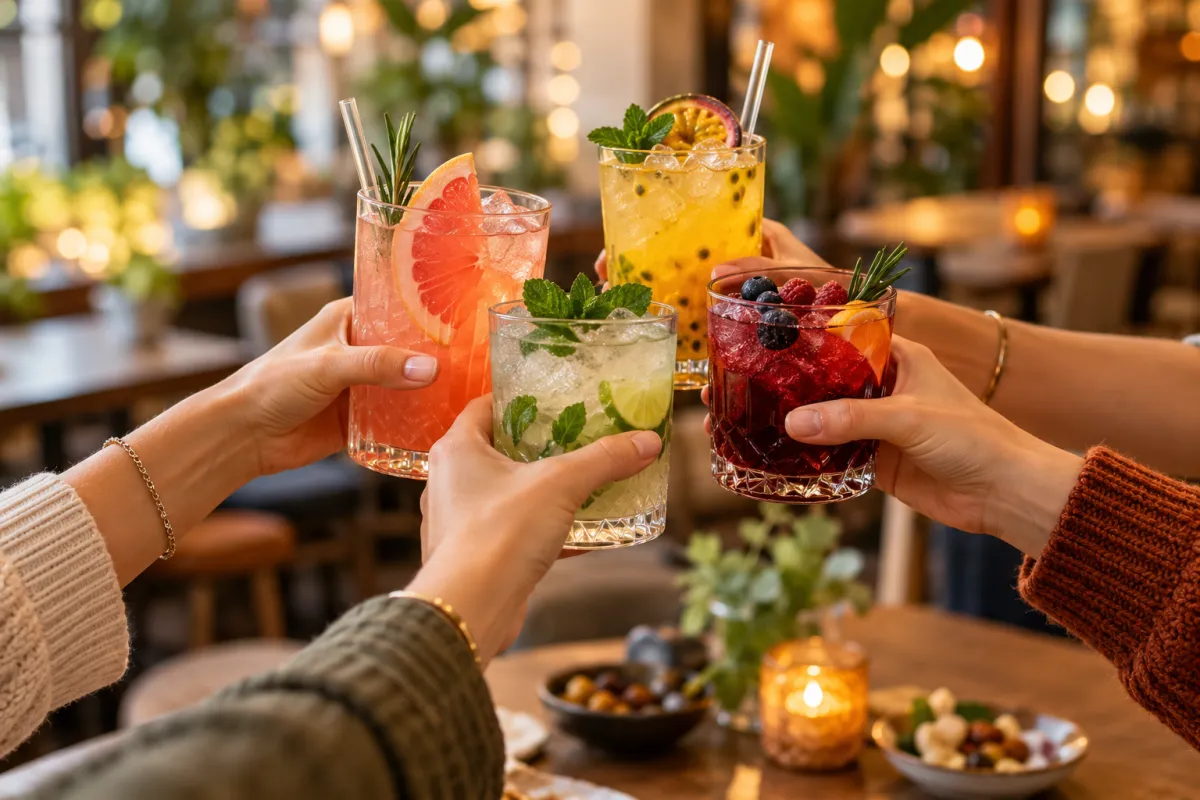
- Keep your explanation short. “I’m taking a month off” or “I’m sleeping better without it” usually ends the conversation. You do not owe anyone a medical history.
- Have a drink in hand. It quietly stops the “can I get you something?” loop.
- Suggest daytime or activity plans. Brunch, climbing, a gallery, a long walk, a film. The focus shifts from drinks to the thing you are doing.
- Arrive with an exit time. Leaving while you are still enjoying yourself is one of the great perks.
- Find your people. Online sober curious communities, alcohol-free events and friends who are also cutting back make it feel normal very quickly.
Expect a few people to tease or push. Usually that says more about their own relationship with drinking than about you. Most friends adjust within a few weeks.
What to do after your first month
When your experiment ends, avoid the “reward” binge. Instead, look honestly at what changed and choose your next step on purpose:
- Carry on alcohol-free if you felt clearly better and want to keep it.
- Drink mindfully on chosen occasions, with a pre-decided limit and alcohol-free drinks in between.
- Take regular breaks, such as a dry month each season or alcohol-free weekdays.
- Get more support if the month was very hard, if you kept drinking more than you planned, or if you noticed withdrawal symptoms. That is a reason to talk to a doctor, not a reason to feel ashamed.
Whatever you choose, the curiosity is the win. You now know far more about how alcohol fits into your life than you did a month ago.
Be first to try ZeroDrunk. Our upcoming app is designed for people exploring a sober curious life, without judgement or shame. Join the ZeroDrunk waitlist and we will let you know as soon as it is ready.
FAQ
Is being sober curious the same as being sober?
Not necessarily. Sober curious describes questioning your drinking and choosing less or none by choice. Some sober curious people stop completely; others drink occasionally and mindfully.
Can I be sober curious and still drink sometimes?
Yes. Many people settle on drinking only on occasions they truly value, with clear limits. The key difference is that drinking becomes a deliberate choice rather than a habit.
Is it safe to stop drinking suddenly?
For light or occasional drinkers it is usually low risk. If you drink heavily or daily, or have had withdrawal symptoms before, stopping suddenly can be dangerous. Speak to a doctor before you stop.
How long should a sober curious break last?
Thirty days is a popular starting point because it covers several weekends and gives time to notice changes in sleep and mood. Some people start with a week; others try 90 days.
Are non-alcoholic drinks completely alcohol-free?
Not always. Many non-alcoholic beers and wines contain up to 0.5% ABV, and kombucha can contain trace alcohol. If you need to avoid alcohol entirely, look for products labelled 0.0%.